

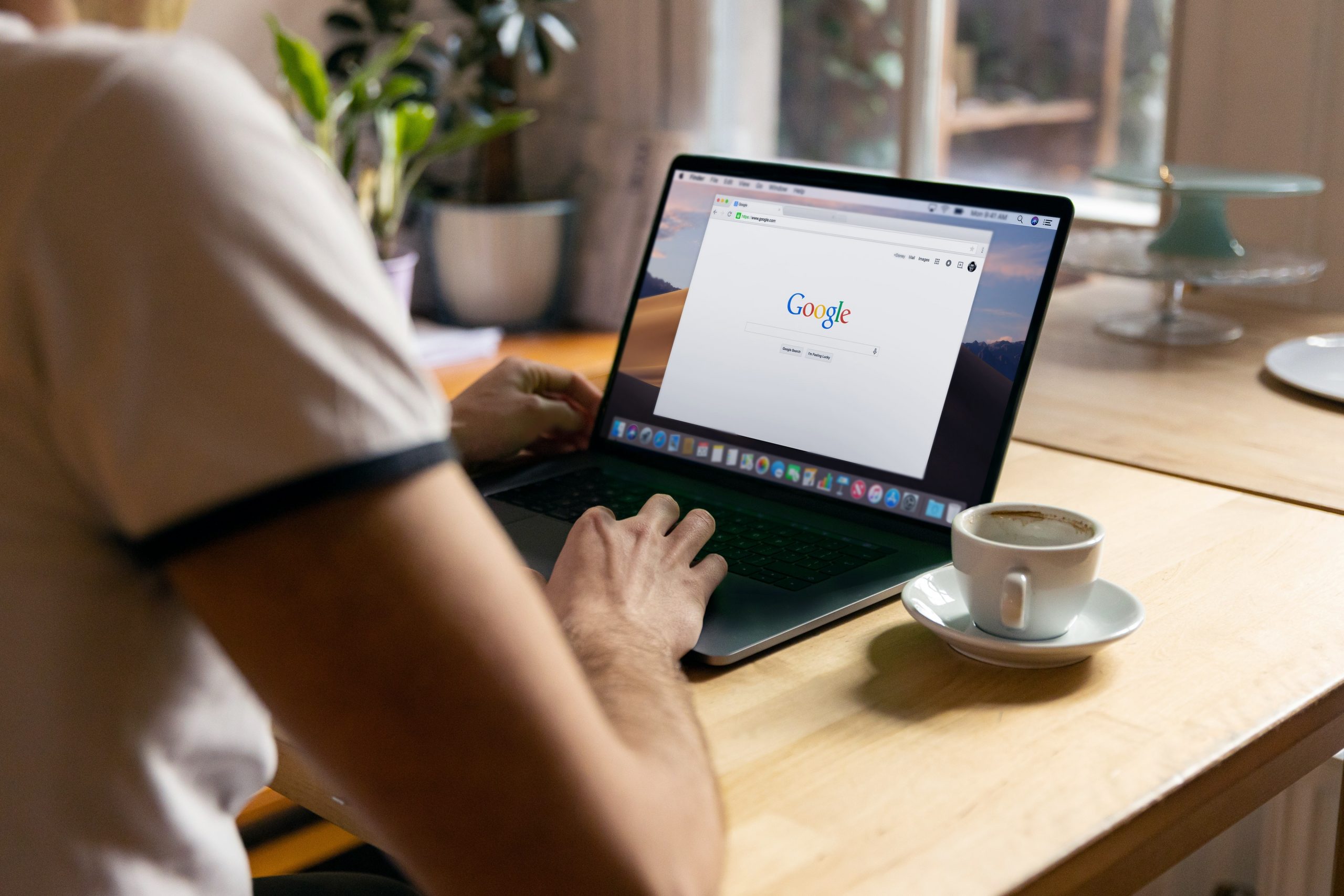
- ‘Mobile first’ indexing is one of the most significant adjustments Google has made to SEO and the way it ranks search results in recent years. This means that Google will now prioritize mobile-friendly websites above those with only desktop versions. It’s understandable; many of us explore the web on our phones first, then on our computers.
- The method by which Google ranks websites is more than a little opaque. In fact, SEO has always been a bit of a game of guesswork. As a result, when it comes to website design, SEO experts must always be on their toes. Google is thought to have over 200 different techniques of ranking websites.
- In fact, one of the earliest methods of SEO was to rank only on the basis of keywords. These are phrases and words that are relevant to your website or business. However, due to changes in Google’s algorithms over time, you can no longer stuff your site with keywords unless they make sense.
- Google adores high-quality content. Furthermore, it enjoys link building. This means you must ensure that your content is actually appealing and engaging, and that it answers issues that people are likely to look for. You must link out to helpful resources and authorities in your writing to build links.
- More than 90% of all pages rated and stacked by Google are entirely invisible, believe it or not. As a result, they never get organic click-throughs. This used to signify that they were often buried on page two and upwards. Not only does SEO aim to get sites to page one, but it also aims to get them to the top of the search results for a range of relevant keywords and queries.
- Paid advertisements, while important, appear to account for a modest percentage of the total — as low as 10%, for example. There’s a margin of about a third between consumers who arrive on sites through several channels. In any case, the numbers show that SEO is critical for a legitimate website’s success.
- It’s a popular SEO belief that having duplicate or double content on a website can hurt your rankings. Yes, it’s not the most professional appearance – and it’s generally better to make sure that each of your pages is unique – but Google is more likely to be picky about content that has been copied from somewhere else. Your article must be unique, interesting, and address questions.
- The first page of Google’s results does not always contain short quantities of text. In reality, the average page ranking on the first page of specified search results will most likely be under 2,000 words long. That’s about three or four A4 pages, so Google wants to make sure you’re starting with information that’s long enough to appeal to regular searchers!
- When you initially start looking into SEO, you’ll probably come across terms like ‘local appeal’ that apply to searches. This means that if consumers want help from a local firm, they can use terms like ‘near me’ or ‘nearby’ in their search. However, studies show that several of these phrases, such as ‘closest,’ are rapidly declining in use.
- Using a number of WordPress plugins, manuals, and other resources, you may manage SEO on your own. However, it’s always a good idea to consult an expert, especially since SEO is continually changing, depending on what Google thinks will be vital in the future! You’re going to need it, believe us.